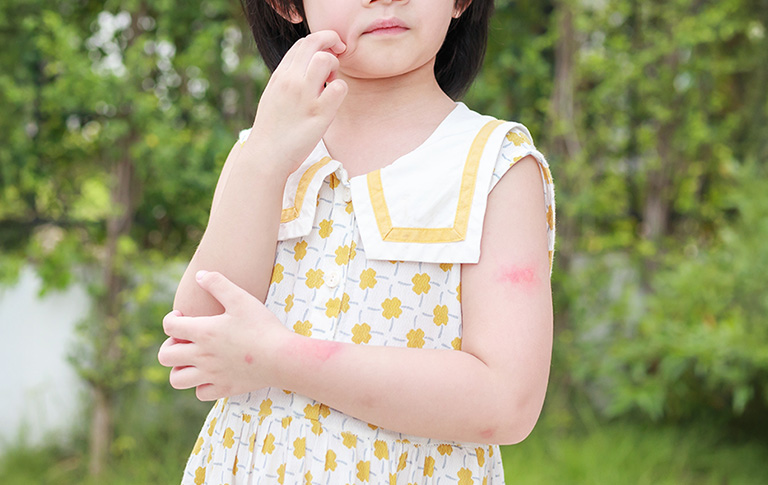

Skin and allergy concerns are among the most common reasons parents seek medical advice for their child. Babies, children, and adolescents may develop rashes, eczema, allergic reactions, or other skin changes for a variety of reasons, ranging from minor, short-lived conditions to conditions that require medical assessment and ongoing care.
A paediatric assessment can help clarify the likely cause of your child’s symptoms, determine whether treatment or investigation is needed, and provide reassurance where appropriate. Dr Emanuela Manea offers calm, child-centred assessment for paediatric rashes, allergies and skin conditions, with clear explanations and practical guidance tailored to each family. This type of assessment is often carried out as part of a General Paediatric Consultation.
Children can have various skin conditions and allergies. Some rashes are caused by inflammation, such as eczema or dermatitis. Others may be due to infections (viral, bacterial, fungal, or parasitic), reactions to foods or medications, contact with irritating substances, or changes in the development of blood vessels or skin pigment cells.
Skin changes may manifest as red, flat, or raised widespread lesions; localised lumps, bumps, blisters, or sores; and alterations in skin texture, such as scaling, thickening, or thinning.
Many skin problems in children are mild and improve on their own. However, some may recur or persist for a long time and benefit from professional assessment to guide management and reduce discomfort.
During the appointment, Dr Manea will take a detailed history, including the onset of symptoms, potential triggers, prior treatments, and relevant family history. Understanding how the condition affects your child day-to-day is an important part of the assessment.
A gentle physical examination is then performed in a calm, child-friendly manner. Many childhood skin conditions can be diagnosed clinically without invasive tests.
Where appropriate, investigations such as blood tests or other diagnostic tests may be discussed. These are recommended only when clinically indicated, and their purpose and limitations are clearly explained. If further input is required, this may involve a Specialist Assessment or Referral.
Management is tailored to each child and may include practical skincare and moisturising advice; guidance on topical treatments or medications, where appropriate; guidance on reducing triggers and managing flare-ups; allergy management advice when relevant; and monitoring with follow-up for ongoing or recurrent conditions.
Some conditions resolve completely over time, while others benefit from longer-term skin care and periodic review. Continuity of care means families know who they are seeing and who understands their child’s history.

