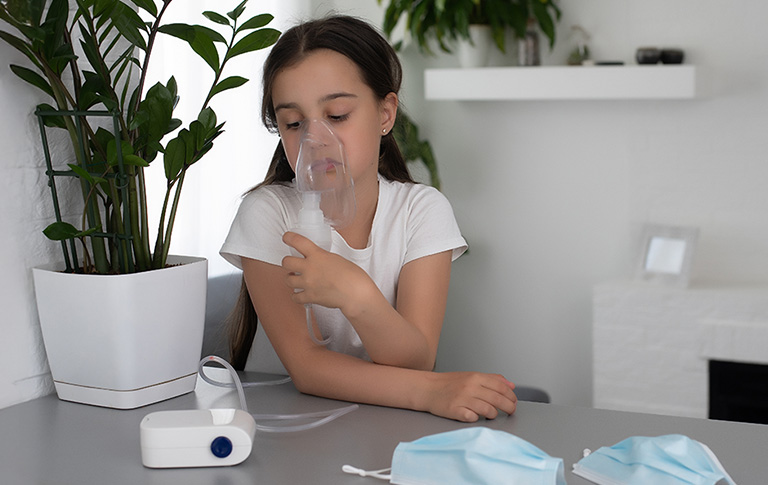

Respiratory and ear, nose and throat symptoms are the most common reasons parents seek medical care. Parents may seek advice for cough, noisy breathing, wheeze, ear pain or discharge, snoring or blocked nose or repeated throat infections. While many respiratory and ENT concerns in children are mild and improve with time, some symptoms benefit from careful medical assessment and ongoing monitoring.
A paediatric consultation can help clarify the likely cause of your child’s symptoms, identify whether further investigation is required and provide reassurance where appropriate. Dr Emanuela Manea offers calm, structured assessment with clear explanations and practical guidance tailored to each child and family. These concerns are often initially explored during a general paediatric consultation.
Respiratory concerns relate to the airways and lungs and may include cough, wheeze, noisy breathing and breathlessness or repeated chest infections. ENT concerns involve the ears, nose and throat and commonly include recurrent ear infections, hearing concerns, enlarged tonsils, snoring, nasal blockage or frequent sore throats. Children of nursery age commonly have 8 to 12 colds or respiratory infections each year, particularly when they have recently started attending nursery or childcare.
This is a normal part of immune system development, as children are exposed to many new viruses for the first time. Individual illnesses can last up to two weeks, and during the autumn and winter months symptoms may appear almost continuous.
Asthma and allergic conditions may also present with respiratory symptoms, and early recognition allows appropriate monitoring and management.
Assessment by a paediatrician may be helpful if your child:
If your child has severe breathing difficulty, appears blue or pale, or is struggling to breathe, emergency medical care should be sought immediately via NHS emergency services.
The consultation begins with a detailed history, including the pattern and duration of symptoms, triggers, family history of asthma or allergies and previous treatments. A thorough physical examination is carried out, including chest assessment, listening to breathing sounds and examination of the ears, nose and throat. Growth and general wellbeing are also reviewed.
Where clinically indicated, further investigations such as allergy testing, lung function testing (in older children) or imaging may be discussed. These are recommended only when appropriate and their purpose, benefit and limitations are clearly explained. If specialist input is required, this may involve a specialist assessment or referral to an ENT surgeon or respiratory specialist.
Management depends on the underlying cause and may include careful monitoring, symptomatic treatment, advice on identifying and reducing environmental or infectious triggers, prescribed medications when indicated, and practical guidance for families on how to recognise and manage recurrent respiratory infections at home and when to seek further medical review. Some children require only reassurance and supportive care. Others benefit from structured follow-up to monitor symptoms over time. Continuity of care ensures families understand the plan and feel supported throughout.

